
"cultural heritage"
300 article(s) found

On the Strategy of Coffee Operation from the Perspective of Culture
The phenomenon of "homogenization" of urban construction is very serious, no matter where the city is almost the same buildings, the same streets, the loss of its due characteristics.

There is a cafe in the old building, why make such a fuss about coffee news
Ancient architecture should not only reflect the continuation of the original culture, but also respect the life style and quality of modern residents. There is no need to make a fuss when an old building opens a cafe. Recently, netizens have different opinions about the news that Chiang Ching-kuo's former residence has been transformed into a cafe. Netizens who disagreed with the matter complained that the act trampled on historical sites. However, righteous indignation is filled.
General knowledge of Fine Coffee Culture Argentine History and Cultural Legend
Buenos Aires, the capital of Argentina, is said to be a city with more cafes than Paris. There are currently 3250 coffee shops in Buenos Aires, which means there is one coffee shop for every 1000 people in the city. Argentine media wrote that the coffee shop is the load of daily life and historical heritage. It can be used not only for people to call friends and talk, but also to be isolated from the group.

Bali, Indonesia boutique coffee beans Karana Jinta Mani volcano Ubu processing plant sun-cured coffee flavor
In the traditional culture of Bali, coffee is used as a cheap beverage raw material. The flavor and quality of the region have been unstable or depressed, and most of them have become cheap commercial beans. Barista Rodney and his partners decided to change the local people's stereotype of coffee. They chose the cultural center of Bali-the Wubu Market area, and opened the island.
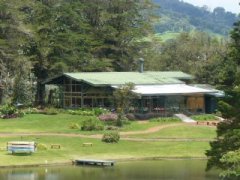
There is a cafe in the old building, why make such a fuss about the specialty cafe
Ancient architecture should not only reflect the continuation of the original culture, but also respect the life style and quality of modern residents. There is no need to make a fuss when an old building opens a cafe. Recently, the news that Chiang Ching-kuo's former residence has been transformed into a coffee shop is constantly fermenting, and netizens have different opinions about it. Netizens who disagreed with the matter complained that the act trampled on historical sites. However, righteousness
Coffee industry
Coffee, as a traditional western drink, has a long history and cultural heritage. The world consumes at least 400 billion cups of coffee every year, and the current annual global coffee consumption is about 10 million tons. Coffee is the first of the two largest drinks in the world, and it is also the second largest trading commodity in the world after oil.

Espresso in Vienna is usually added with whipped cream and wine, Viennese fancy coffee.
Professional coffee knowledge exchange more coffee bean information please pay attention to the coffee workshop (Wechat official account cafe_style) Vienna Caf é culture has been listed as a World Intangible Cultural Heritage by UNESCO; in my opinion, each of Vienna's traditional cafes is full of Renaissance atmosphere, every one is as beautiful as a painting hanging in a gallery.

There is a cafe in the old building, why make such a fuss about the coffee shop, lifestyle, quality of life, old building.
Ancient architecture should not only reflect the continuation of the original culture, but also respect the life style and quality of modern residents. There is no need to make a fuss when an old building opens a cafe. Recently, netizens have different opinions about the news that Chiang Ching-kuo's former residence has been transformed into a cafe. Netizens who disagreed with the matter complained that the act trampled on historical sites. However, righteous indignation is filled.
Coffee in Argentine History and Culture
Buenos Aires, the capital of Argentina, is said to be a city with more cafes than Paris. There are currently 3250 cafes in Buenos Aires, which means there is one coffee shop for every 1000 people in the city. Argentine media wrote that the cafe is the load of daily life and historical heritage. It can not only be used to call friends and talk, but also can be used to be isolated from the group.
Coffee producing areas in Cuba
The establishment of the earliest seven coffee plantation sites, including Raglan Piedra, Elkovre, El Salvador and Nisto Perez, are listed as World Cultural Heritage. The seven coffee plantations were reclaimed in the 19th century on virgin land in the foothills of Maestra (postcard in figure 17) in the southeastern provinces of Santiago and Guantanamo. Coffee production in Cuba: Cuba (Cuba)
Basic knowledge of boutique coffee Cuban coffee
According to records, there were 2067 coffee plantations in Cuba in 1833. Among them, the earliest seven coffee plantation sites, such as Raglan Piedra, Elkovre, El Salvador and Nisto Perez, are listed as World Cultural Heritage. These seven coffee plantations are located in the foothills of Maestra in the provinces of Santiago and Guantanamo in southeastern Cuba in the 19th century (figure 17 is a postcard).

Coffee flavors from different coffee producing areas around the world Coffee production in Cuba
Cuba recorded that there were 2067 coffee plantations in Cuba in 1833. Among them, the earliest seven coffee plantation sites, such as Raglan Piedra, Elkovre, El Salvador and Nisto Perez, are listed as World Cultural Heritage. The seven coffee plantations are the foothills of the Maestra Mountains in the provinces of Santiago and Guantanamo in southeastern Cuba in the 19th century (figure 17 is a postcard).

Coffee production in Cuba
In 1833, Cuba had 2067 coffee plantations. Among them, seven coffee plantation sites, such as La Gran Piedra, Elkofre, El Salvador and Nisto Perez, which were the earliest established coffee plantations, are listed as world cultural heritage sites. These seven coffee plantations were established in the 19th century in the foothills of Maestra in the provinces of Santiago and Guantanamo in southeastern Cuba (postcard in Figure 17).

The characteristics and Market of Cuban Coffee
According to records, there were 2067 coffee plantations in Cuba in 1833. Among them, the earliest seven coffee plantation sites, such as Raglan Piedra, Elkovre, El Salvador and Nisto Perez, are listed as World Cultural Heritage. These seven coffee plantations are located in the foothills of Maestra in the provinces of Santiago and Guantanamo in southeastern Cuba in the 19th century (figure 17 is a postcard).

High-quality coffee bean producing countries introduce Cuban coffee
According to records, there were 2067 coffee plantations in Cuba in 1833. Among them, the earliest seven coffee plantation sites, such as Raglan Piedra, Elkovre, El Salvador and Nisto Perez, are listed as World Cultural Heritage. These seven coffee plantations are located in the foothills of Maestra in the provinces of Santiago and Guantanamo in southeastern Cuba in the 19th century (figure 17 is a postcard).

Global coffee producing area-Cuba
According to records, there were 2067 coffee plantations in Cuba in 1833. Among them, the earliest seven coffee plantation sites, such as Raglan Piedra, Elkovre, El Salvador and Nisto Perez, are listed as World Cultural Heritage. These seven coffee plantations are located in the foothills of Maestra in the provinces of Santiago and Guantanamo in southeastern Cuba in the 19th century (figure 17 is a postcard).

Cuban boutique coffee introduces Cuban coffee flavor Cuban coffee characteristics Cuban coffee taste Cuba
Cuba recorded that there were 2067 coffee plantations in Cuba in 1833. Among them, the earliest seven coffee plantation sites, such as Raglan Piedra, Elkovre, El Salvador and Nisto Perez, are listed as World Cultural Heritage. The seven coffee plantations are the foothills of the Maestra Mountains in the provinces of Santiago and Guantanamo in southeastern Cuba in the 19th century (figure 17 is a postcard).

Cuban coffee flavor producing area single coffee coffee price coffee network
According to records, there were 2067 coffee plantations in Cuba in 1833. Among them, the earliest seven coffee plantation sites, such as Raglan Piedra, Elkovre, El Salvador and Nisto Perez, are listed as World Cultural Heritage. These seven coffee plantations are located in the foothills of Maestra in the provinces of Santiago and Guantanamo in southeastern Cuba in the 19th century (figure 17 is a postcard).
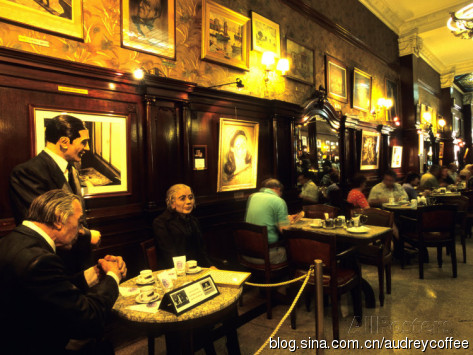
Coffee History and Culture: the connection between Coffee Literature and Art in Argentina
Buenos Aires, the capital of Argentina, is said to be a city with more cafes than Paris. There are currently 3250 coffee shops in Buenos Aires, which means there is one coffee shop for every 1000 people in the city. Argentine media wrote that the coffee shop is the load of daily life and historical heritage. It can be used not only for people to call friends and talk, but also to be isolated from the group.

Classic Coffee Directory Argentine History and Cultural Legends
Buenos Aires, the capital of Argentina, is said to be a city with more cafes than Paris. Buenos Aires currently has 3250 cafés, which means there is one café for every 1000 people in the city. Argentine media wrote that coffee shops are a load of daily life and historical heritage. They can be used for people to call friends, talk loudly, or be used for isolation.